Chaabi Neighbourhoods in Morocco: What to Know Before Living, Renting, or Investing
Chaabi areas are traditional, working-class neighbourhoods in Morocco known for their affordability, lively community atmosphere, and convenient access to everyday services. Learn about the benefits and challenges of living, renting, or buying property in a chaabi area, including melkiya ownership, older buildings, noise, cleanliness, parking, and safety.
Posted on
Posted by
Omar

A chaabi area is a traditional, working-class neighbourhood that has often existed for many years. These areas are usually busy, densely populated, and full of everyday life. In Morocco and similar property markets, the word “chaabi” is often used to describe neighbourhoods that are more modest, local, and affordable compared with newer or more modern residential areas.
The word “chaabi” comes from Arabic and is connected to the word shaʿb, meaning “the people” or “the public.” In everyday Moroccan use, chaabi can describe anything local, popular, traditional, or connected to ordinary people. For example, people may say makla chaabia to describe simple, affordable local food such as bissara, harira, loubia, msemen, sfenj, grilled sardines, or other everyday dishes found in local cafés, markets, and street food places. In the same way, a hay chaabi means a neighbourhood of ordinary local people, often older, busier, more affordable, and more traditional than newer residential areas.
Chaabi areas can be very different from one neighbourhood to another. Some are well-organised and peaceful, while others may feel crowded, noisy, or poorly maintained. For anyone thinking about living in, renting, or buying property in a Chaabi area, it is important to understand both the advantages and the disadvantages.
Property Ownership and Melkiya Areas
Many chaabi neighbourhoods are melkiya areas. This means that properties may not be muhafad, or officially titled in the same way as registered land title properties.
A melkiya property can still be bought and sold, but the process is usually different from buying a titled property. Buyers need to be more careful, check ownership documents properly, and work with trusted legal professionals. Because these properties are often not muhafad, they may sometimes be cheaper than similar properties in titled areas.
However, this can also make financing, resale, and legal checks more complicated.
Older Buildings and Dense Layouts
Chaabi areas are often made up of older buildings, many of which were built close together. In some cases, the streets are narrow, and the roads may not be in the best condition. Parking can be difficult, and access for cars may be limited in certain streets.
Because buildings are close to each other, some homes may have limited natural sunlight, poor ventilation, or very little view. Apartments on lower floors especially may feel darker or more enclosed.
Older buildings may also have maintenance issues, such as plumbing problems, mould/damp issues, electrical concerns, or outdated layouts. This does not mean every property in a chaabi area is in bad condition, but buyers and tenants should inspect carefully before making a decision.
Noise and Daily Life
One of the most common complaints in chaabi neighbourhoods is noise. Because many families live close together, daily life can feel very public. Children may play outside until late, motorcycles can be loud, and weddings or family events may continue into the night.
Mosques, markets, small shops, street vendors, and neighbours all add to the sound of the area. For some people, this creates a lively and familiar atmosphere. For others, especially those who value quiet living, it can become stressful.
Noise pollution is something to consider seriously before moving into a chaabi area.
Cleanliness and Littering
Another issue in some chaabi areas is littering. Busy streets, lack of proper waste management, and high population density can lead to rubbish collecting in public spaces.
This varies greatly from one neighbourhood to another. Some communities take pride in keeping their streets clean, while others may struggle with waste, dust, and general maintenance.
When viewing a property, it is worth visiting the area at different times of the day to see how clean and organised it really is.
Crime and Safety
A common misunderstanding is that chaabi areas are automatically dangerous. This is not always true.
Just because an area is chaabi does not mean crime is a major problem. Many chaabi neighbourhoods have strong community ties, where people know each other and look out for one another. In fact, this can sometimes make the area feel safer than newer neighbourhoods where residents do not interact much.
That said, like any area, safety depends on the specific street, the people living there, lighting, access, and local behaviour. It is always better to judge each neighbourhood individually rather than assuming it is unsafe simply because it is chaabi.
One issue sometimes reported in these areas is damage to vehicles, particularly nicer cars being keyed or scratched by unsupervised children or occasionally by envious adults. This can happen because many chaabi neighbourhoods lack secure parking, garages, or parking attendants.
The Advantages of Living in a Chaabi Area
One of the biggest advantages of chaabi areas is affordability. Rent and sale prices are often lower than in modern or high-end neighbourhoods. This makes them attractive for families, first-time buyers, small investors, and people looking for a practical place to live without spending too much.
Another major benefit is convenience. In many chaabi areas, everything is nearby. Residents often have easy access to markets, greengrocers, hairdressers, mosques, schools, cafés, public transport, pharmacies, and small local businesses.
This can make daily life much more convenient, particularly for people who do not want to depend on driving everywhere.
There is also often a strong sense of community. Neighbours know each other, families support one another, and local shopkeepers may know their regular customers personally. For many people, this community feeling is one of the most valuable parts of living in a chaabi area.
Who Should Consider a Chaabi Area?
A chaabi area may be suitable for someone who wants affordable rent, lower property prices, and easy access to daily services. It can also suit people who enjoy a lively neighbourhood with a strong local atmosphere.
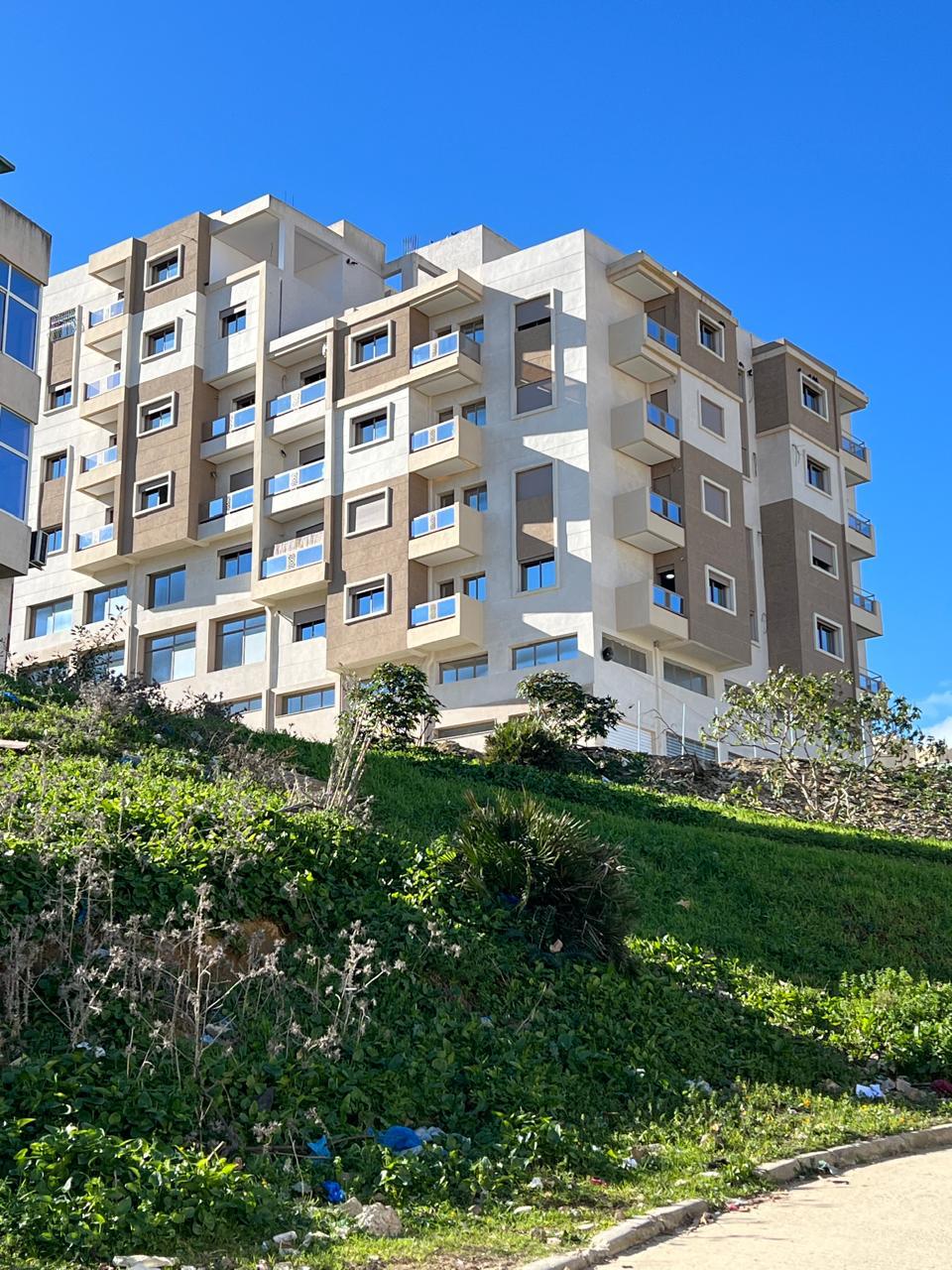
However, it may not be ideal for someone who wants quiet surroundings, wide roads, modern buildings, private parking, open views, or a more organised residential environment.
Before renting or buying, it is important to visit the area more than once. Go during the day, in the evening, and on weekends. Speak to local residents if possible. Check the condition of the building, the street, the noise level, and the ownership documents.
Final Thoughts
A chaabi area is not simply “good” or “bad.” It is a type of neighbourhood with its own character, advantages, and challenges.
These areas are often older, more crowded, and more modest, with lower-income families and traditional community life. They may have issues such as noise, littering, poor road conditions, lack of sunlight, and older buildings. At the same time, they can offer affordable prices, strong community support, and excellent access to everyday services.
The most important thing is to judge each area carefully. Some chaabi neighbourhoods can be practical, welcoming, and full of life, while others may not suit your lifestyle or expectations. For buyers, tenants, and investors, understanding the reality of a chaabi area helps avoid surprises and make better property decisions.