Be Careful Where You Get Real Estate Advice in Morocco
When it comes to Moroccan real estate, context is everything. A price that seems too high may reflect differences in location, property quality, legal status, zoning, parking, access, views, or demand. Likewise, advice from locals, expats, agents, or online groups can be useful—but it should not automatically be treated as expert guidance. Learn why buyers, tenants, and investors should compare properties carefully, verify legal and tax information with qualified professionals, and treat informal advice as a starting point rather than the final answer.
Posted on
Posted by
Omar

When moving to Morocco, renting a home, buying property, or investing in real estate, one of the biggest mistakes people can make is taking advice from the wrong people.
This does not mean people are trying to mislead you. In fact, many Moroccans genuinely love to help. They may give advice with good intentions, speak with confidence, and even swear that the information they are giving is correct. The problem is that real estate advice is very specific. A price, rule, or opinion that is true in one situation may be completely wrong in another.
The same can happen with some expats. Someone may relocate to Morocco, make a few local connections, do some research online, rent or buy one property, and suddenly present themselves as an expert on the whole Moroccan real estate market. They may speak confidently, warn others, and accuse landlords, sellers, or agents of inflating prices, even when they do not fully understand the details behind the price.
This kind of advice can create confusion, mistrust, and unfair accusations. It can also damage honest landlords, sellers, developers, and brokers who are simply working within the reality of the market.
Good Intentions Can Still Lead to Bad Advice
Many locals give advice because they want to help. However, their advice is often based on their own experience, their family’s situation, or the type of neighbourhood they know best.
For example, a newcomer may ask, “How much is a three-bedroom apartment?” A local person may answer, “Around 2,500 MAD per month.” They may be completely honest, but they may be thinking about a three-bedroom apartment in a shabi area, in an older building, without a lift, without private parking, with basic finishing, and limited sunlight.
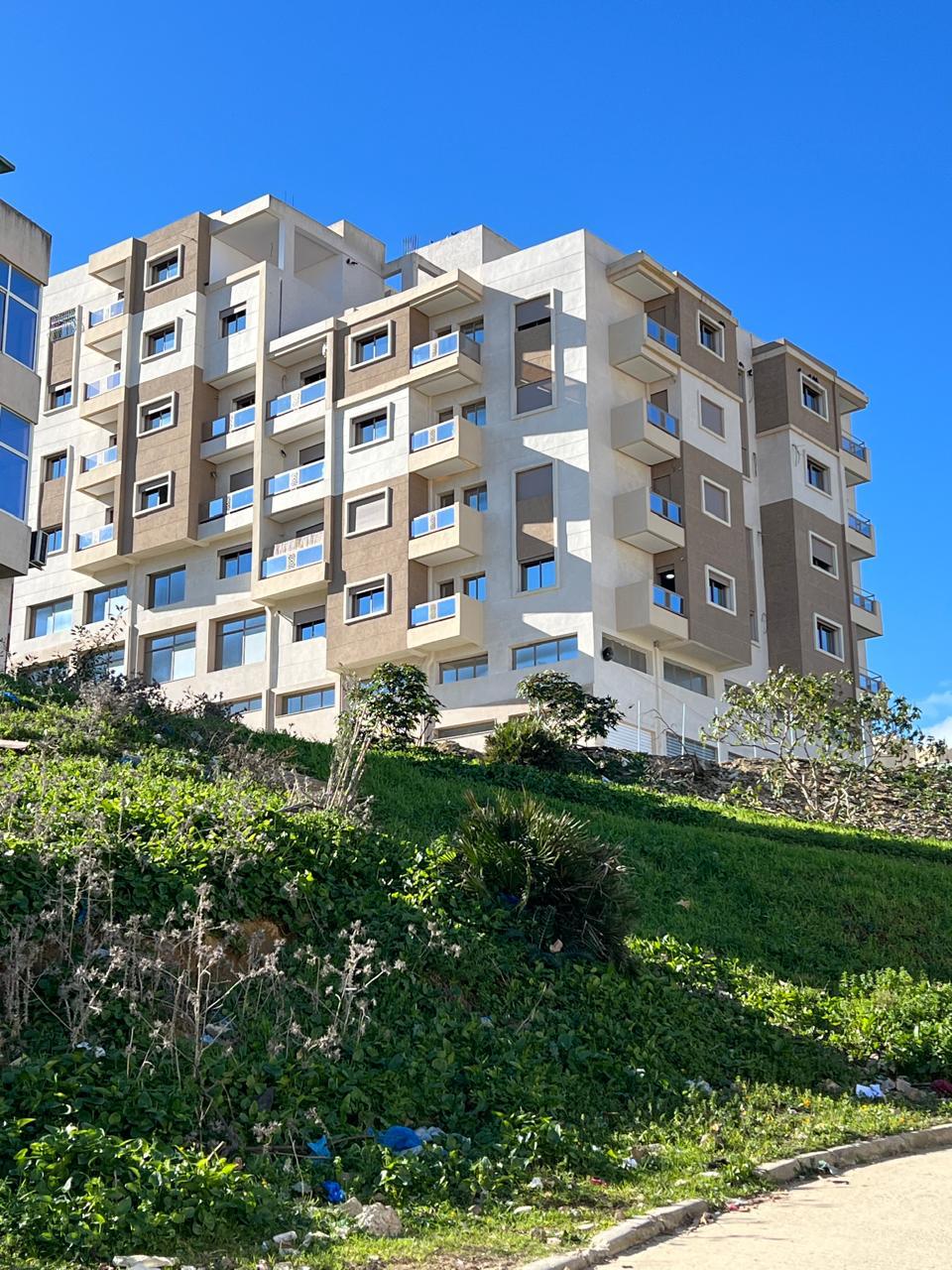
The newcomer may then view a three-bedroom apartment in a modern building with a lift, security, sunlight, views, better finishing, and parking. The price may be 4,000 MAD per month. Instead of understanding that the two properties are completely different, the newcomer may immediately think they are being cheated.
This is how incomplete advice creates problems. The person giving the advice was not necessarily lying. They simply did not give enough context.
Why Property Prices Are Not Always Easy to Compare
One of the biggest mistakes people make is comparing properties too simply. They compare only the number of bedrooms, the size, or the area name, without looking at the details that actually affect value.
A three-bedroom apartment in an older chaabi building is not the same as a three-bedroom apartment in a modern residence. A home with no lift is not the same as one with a lift. An apartment with no sunlight and no view is not the same as one with open views and natural light. A property without parking is not the same as one with a private parking space.
The same applies when buying land or houses. Someone may see land advertised for 60,000 MAD and compare it with another plot of the same size advertised for 40,000 MAD. On the surface, the first seller may look like they are inflating the price. But when you look deeper, the difference may be justified.
The 60,000 MAD plot may be muhafad, authorised for R+2, two-faced, close to the main road, easier to access, and better positioned for sunlight and views. The 40,000 MAD plot may be melkiya, only authorised for R+1, one-faced, facing another building, uphill, far from the main road, and more difficult to resell.
In that case, the two plots are not really comparable. They may be the same size, but they are not the same value.
This is why Moroccan real estate must be compared carefully. Size alone does not determine price. Bedrooms alone do not determine rent. The legal status, location, access, sunlight, building quality, floor level, parking, views, and demand all matter.
Do You Understand the Basics Before Giving Advice?
Before giving strong opinions about Moroccan real estate, it is important to understand the basics. If someone does not understand the difference between muhafad and melkiya, or what R+1, R+2, and similar zoning terms mean, they should be careful about advising others.
These are not small details. They can completely change the value, legality, risk, and resale potential of a property.
A muhafad property is not the same as a melkiya property. A plot authorised for R+2 is not the same as a plot authorised for R+1. A house that looks like two floors in real life may not be fully legal on paper. A property with clean title and correct authorisation may be worth much more than another property that looks similar from the outside.
Often, the people with the strongest opinions are not always the most educated on the topic. Confidence does not always mean knowledge. Someone may speak loudly, dismiss professionals, or accuse others of lying, but if they do not understand basic property terms, their advice should be treated with caution.
This does not mean only professionals can have an opinion. Locals and expats can share useful experiences. But there is a difference between sharing your experience and presenting yourself as an authority.
Not Every High Price Is a Scam
There is no doubt that overpricing happens. Some landlords ask too much. Some sellers test the market. Some agents may behave badly. Hidden commission and inflated prices can exist, and buyers or tenants should always be careful.
However, not every high price means someone is cheating.
For example, if most three-bedroom apartments in an area rent between 3,500 MAD and 4,000 MAD, and one landlord asks for 5,000 MAD, it is fair to ask why. Maybe the property is overpriced. But maybe it has better furniture, Wi-Fi included, private parking, a better view, a better layout, newer finishing, or a more convenient location.
A high price should lead to questions, not immediate accusations. Before saying someone is inflating prices, it is important to compare the property properly with similar properties.
The Confusion Around “Prime” Areas
Another common issue is the use of the word “prime.” Some people get very frustrated when prices rise in an area they personally do not consider prime.
But prime does not mean the same thing to everyone.
For one person, prime means a fancy, established neighbourhood with wide roads, cafés, shops, and high-end buildings. For another person, prime means being close to schools, education centres, mosques, family, or a specific community. For an investor, prime may simply mean high demand and low supply. For a Moroccan living abroad, prime may mean a clean, titled, muhafad property that is easier to buy, sell, and manage.
So yes, prime areas do exist. But the meaning of prime depends on who is looking and why they are looking.
This is especially important in areas like Wiqaya. Some people say Wiqaya is not prime because it is still developing, some roads need improvement, and there may not be much going on compared with older established areas. They may also say locals do not want to live there or make jokes about the area.
But if many relocating families want to live there because of education centres, community, modern apartments, or lifestyle reasons, then the area becomes prime for that group of people. If a modern three-bedroom apartment cannot stay on the market for more than a week or two before being rented, that is a clear sign of high demand and low supply.
When demand is high and supply is low, prices usually rise. This is not unique to Morocco. It is basic economics.
The Market Is Not Emotional
One of the hardest things for people to accept is that the market does not price property based on emotions or personal intentions.
A family may move to Morocco with sincere intentions. They may want a better lifestyle, an Islamic environment, lower living costs, or a fresh start. These are valid reasons. But the market does not reduce prices because someone has good intentions.
If many people want the same type of property in the same area, prices will rise. If fewer people want those properties, prices may fall.
This can feel frustrating, especially for newcomers who were told Morocco would be cheap or that certain prices are “not normal.” But property prices are not based on what people hope to pay. They are based on what landlords and sellers are able to achieve in the market.
Real Estate Advice Can Be More Complex Than It Sounds
Another area where poor advice is often given is tax and legal information.
For example, someone may ask, “How much is the seller’s tax when selling property in Morocco?” A notary may tell them something like 5% of the full sale price, depending on the situation. Then someone else hears this and says, “No, that is wrong. It is 20% of the capital gain.”
The problem is that both answers can be correct in theory, depending on what exactly is being discussed. One person may be referring to a minimum tax based on the sale price, while another may be referring to tax on the capital gain. The correct answer can depend on the property, the declared price, the purchase history, expenses, exemptions, documents, and the seller’s situation.
This is why it is dangerous when people give simple answers to complicated questions. Real estate tax, legal title, inheritance, company ownership, building authorisation, capital gains, and registration fees should not be answered casually in a WhatsApp group or Facebook comment.
You would not go to any random local or newly arrived expat for serious legal advice. You would not ask an unqualified person to calculate your tax liability or check your property documents. Real estate should be treated the same way.
General conversations with locals and expats can be useful as an introduction to a topic, but they should not be treated as the final answer. Use them to understand what questions to ask, then confirm the information with the relevant professional, such as a notary, accountant, lawyer, experienced broker, or official authority.
Be Careful With Public Accusations
It is completely fair to warn people about genuine scams or dishonest behaviour. Buyers and tenants should be protected, and bad practices should be called out when there is evidence.
However, it is also important to be careful before publicly accusing landlords, sellers, agents, or developers of cheating, inflating prices, or adding hidden commissions.
Sometimes these accusations are based on incomplete information. Someone may compare a chaabi apartment with a modern apartment, mellkiya land with muhafad land, or a basic rental with a fully furnished one. They may then accuse the more expensive option of being a scam, even though the price difference is justified.
This can be damaging. Honest brokers, landlords, and sellers can have their reputation harmed because someone misunderstood the market or repeated poor advice online.
A better approach is to say, “This price seems high compared with what I have seen. What makes this property different?” That opens the door to a proper discussion instead of turning the situation into an accusation.
Online Advice Can Be Useful, But It Has Limits
Online groups can be helpful, especially for newcomers. They can give people a sense of different areas, common problems, and what others have experienced. But they can also spread misinformation very quickly.
A person may ask a simple question such as, “How much should I pay for a three-bedroom apartment?” Within minutes, they may receive many different answers. One person may say 2,500 MAD, another may say 4,000 MAD, and another may say 6,000 MAD. Each person may be speaking about a different city, area, building type, standard, or personal experience.
The person asking the question may leave more confused than before.
This is why broad questions often produce poor answers. A better question would be: “How much should I expect to pay for a modern three-bedroom apartment in this specific area, with a lift, good sunlight, parking, and close to these facilities?”
The more specific the question, the more useful the advice will be.
Learn to Ask Better Questions
If you want better advice, ask better questions.
Instead of asking how much a three-bedroom apartment costs, explain the area, building type, condition, furniture, lift, parking, sunlight, and facilities you are looking for.
Instead of asking if land is overpriced, ask whether it is muhafad or mellkiya, what the zoning is, how many floors are authorised, how many façades it has, how good the road access is, and what similar plots have actually sold for.
Instead of asking whether an area is prime, ask who it is prime for. Is it prime for local families, expats, MRE buyers, investors, long-term rentals, or resale?
Instead of asking a general question like, “How much tax will I pay?” ask a notary or accountant to explain which tax applies, how it is calculated, whether there is a minimum amount, what exemptions may apply, and what documents are needed.
Better questions lead to better answers. They also protect you from people who speak confidently but do not understand the full picture.
Use Advice, But Verify It
The safest approach is not to reject all advice, but to verify it.
Speak to more than one person. Compare actual properties. Visit the area yourself. Ask experienced brokers who work in that specific market. If you are buying, speak with a notary and check the documents. If tax is involved, speak with an accountant or the relevant professional. If there is a legal issue, speak with a lawyer or notary.
Do not rely only on one local friend, one expat, one Facebook comment, or one agent. Real estate decisions should be based on evidence, not just opinions.
For rentals, bad advice may waste your time and make you suspicious of everyone. For purchases, bad advice can cost you a lot of money.
Negotiation Is Still Important
Explaining the seller or landlord’s side does not mean buyers and tenants should accept every price. You should still negotiate.
If a price seems high, make a reasonable offer. Ask what is included. Check how long the property has been available. Compare it with similar properties. Ask whether there is room for negotiation.
A professional broker should help clients negotiate where possible and avoid overpaying. But negotiation should be based on facts, not anger or assumptions.
At JYRO Real Estate, we always advise clients to negotiate when it makes sense. We also educate people about pricing, documents, legal risks, and market conditions. But we also believe it is fair to explain the other side, especially when many online discussions only blame landlords, sellers, and agents without understanding how the market works.
It is also worth remembering that many expats eventually become landlords, sellers, or investors themselves. Once they are on the other side of the transaction, they may also want to achieve the best price the market allows.
Final Thoughts
Morocco is full of helpful people, and many locals genuinely want to guide newcomers. Many expats also share useful experiences. But real estate advice should always be checked carefully.
Someone may be honest but still wrong. Someone may be confident but still inexperienced. Someone may have lived in Morocco for years but only understand one type of property. Someone may be new to Morocco but speak as if they understand the whole market.
When it comes to Moroccan real estate, context is everything.
A high price is not always a scam. A cheap price is not always a bargain. A local opinion is not always complete. An expat opinion is not always expert.
Before accepting advice, ask yourself whether the person understands the basics. Do they know the difference between muhafad and mellkiya? Do they understand zoning such as R+1 and R+2? Do they understand why sunlight, views, access, title, and building authorisation affect price? Are they speaking from real experience or just repeating what they heard?
The safest approach is to stay calm, ask detailed questions, compare like for like, speak to experienced professionals, and make decisions based on evidence rather than emotion. Treat informal advice as a starting point, not the final answer. Then confirm the details with the right person before making a serious decision.