Buying Property & Land in Tetouan: A Complete Guide for Buyers & Investors (2026)
Planning to invest in Tetouan? Learn how to navigate the property market, avoid common mistakes, and choose the right strategy for long-term or rental returns.
Posted on
Posted by
Omar
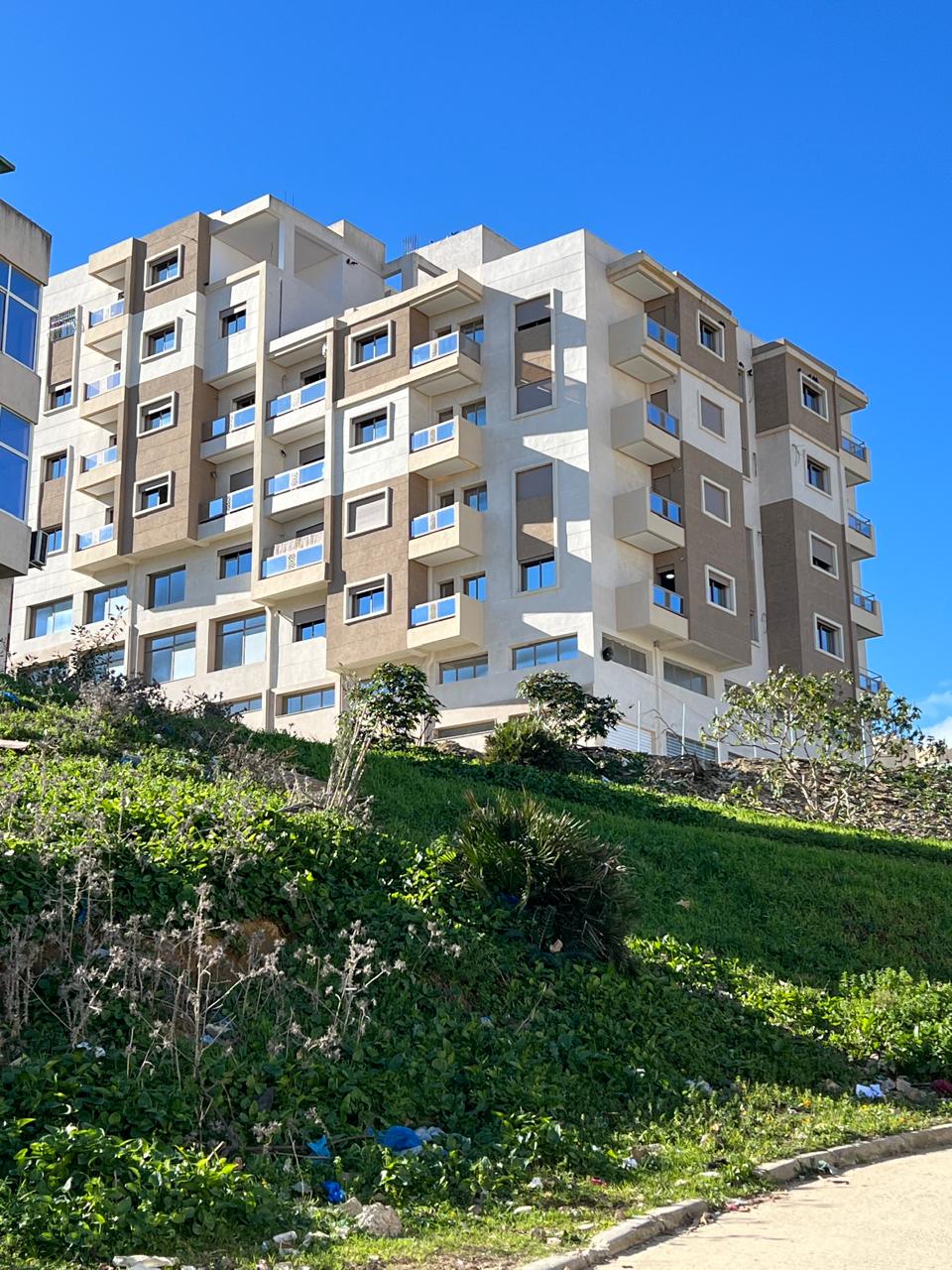
If you’re considering buying property or land in Tetouan, understanding the purchasing process and the local investment landscape is essential.
Tetouan has become increasingly attractive to expats, investors, and returning Moroccan nationals due to its affordability, coastal proximity, and growing rental demand. More broadly, Morocco continues to attract international interest thanks to its strategic location, expanding tourism sector, and competitive property prices.
For the purpose of this guide, “Tetouan” also includes surrounding areas such as Martil, Cabo Negro, M’diq, Fnideq, and nearby coastal zones.
This article outlines how to buy property safely, explains key differences in land investment, and highlights the most important factors buyers should consider.
Why Tetouan Is Attracting Buyers
Tetouan offers a unique combination of lifestyle and investment potential. Compared to larger Moroccan cities, entry prices remain relatively accessible, while demand—particularly for rental properties—continues to grow.
Key factors driving interest include:
Competitive property prices
Increasing demand from expats and Moroccans Residing Abroad (MRE) buyers
Strong rental potential (both long- and short-term)
Proximity to beaches and natural landscapes
Ongoing urban development
In many cases, net rental yields in Tetouan range between 4.5% to 5.5%, depending on the property type, location, and rental strategy. Read more about rental yields here: Rental Yields in Tetouan: What Investors Need to Know
Preparing Your Finances Before Buying
Before starting your property search, it is essential to structure your finances correctly—especially for foreign buyers.
One of the most important steps is to open a convertible (convertible dirham) bank account in Morocco. This type of account allows you to transfer foreign currency into Morocco and ensures that your funds are officially recorded as coming from abroad.
Key recommendations:
Transfer funds from your foreign bank account into your Moroccan convertible account
Avoid bringing or paying large amounts in cash
Keep clear records of all transfers and transactions
This is particularly important for two reasons:
1. Residency Applications
If you plan to apply for residency in Morocco, authorities often require proof that your investment funds were transferred through official banking channels. Cash payments can make this process more difficult.
2. Repatriating Funds When Selling
When you sell your property, transferring funds back out of Morocco is significantly easier if the original purchase was made through a convertible account.
If the purchase was made in cash, you may face restrictions, including having to transfer the funds abroad in instalments over several years (often up to four years).
Taking the time to structure your finances correctly at the beginning can help prevent significant complications later.
The Property Buying Process in Tetouan
Choosing the Right Location
Selecting the right area is one of the most important decisions. Different neighbourhoods offer varying price points, tenant profiles, and investment returns.
Popular areas include:
Suburban areas and Wilaya/Ain Melloul known for modern residential developments
The city centre, which benefits from consistent rental demand
Coastal areas, which tend to perform well during peak tourism seasons
Negotiation and Preliminary Agreement
Once a price is agreed upon, both parties may sign a compromis de vente (preliminary agreement). This step is typically used when there is a longer gap—usually several weeks or months—between the agreement and the final payment and transfer.
If the transaction is expected to be completed within a few days of agreeing on the price, signing a preliminary agreement is often not necessary.
When a compromis de vente is agreed upon, the process generally takes the form of:
A deposit of 5% to 10% is paid
The property is then removed from the market
Key terms of the transaction are formalised
It costs around 2,500 MAD for this agreement, the buyer often is the one that pays for it.
Legal Verification and Notary Checks
In Morocco, the notary plays a central role in ensuring the legality of the transaction. Their responsibilities include:
Verifying the property title (Titre Foncier)
Confirming there are no outstanding debts or claims
Ensuring compliance with legal requirements
Notary fees typically range between 1% and 1.5% of the declared property value. The exact rate may vary depending on the notary and the overall transaction value. In addition to this, notaries may apply stamp duties and administrative fees, which usually fall between 1,000 MAD and 2,000 MAD.
Final Signing and Transfer of Ownership
The final stage involves:
Payment of the remaining balance
Signing of the final deed
Registration of the property in the buyer’s name
Transfer taxes are generally set at 4% of the declared property value, with an additional 1.5% applicable if the property is registered as Muhafad (titre foncier).
Agency fees typically range around 2.5% of the purchase price, or may be agreed as a fixed amount depending on the transaction.
Payment Plans / Paying in Instalments
This option is more commonly associated with off-plan properties, where developers typically require a small deposit upfront, with the remaining balance paid in instalments or upon completion of the project.
In some cases, sellers of completed apartments may also agree to structured payment plans, such as an initial payment of around 50% upfront, with the remainder paid in instalments over an agreed period—often up to one year.
In such arrangements, a compromis de vente (preliminary agreement) is usually signed to formalise the terms of the payment plan and transaction.
Undeclared Amounts
In some property transactions, it is common for approximately 20%–30% of the purchase price to be left undeclared and paid informally in cash between buyer and seller. This undeclared portion is often referred to as “noir,” which means black in French.
While this practice may occur in the market, it carries several important risks.
In practice, avoiding undeclared amounts can be challenging, particularly when dealing with smaller developers or private sellers. Some private sellers may be willing to declare the full purchase price if the buyer agrees to cover the additional taxes they would be liable for as a result.
For a more secure and transparent transaction, it is generally recommended to declare the full purchase price and conduct payments through formal banking channels, typically via a convertible bank account.
Consulting a notary and a professional advisor is essential to fully understand the legal and financial implications before proceeding.
Property Investment Considerations
When purchasing property in Tetouan, investors often choose between long-term and short-term rental strategies.
Long-term rentals tend to provide stable, predictable income, while short-term rentals—such as Airbnb—can generate higher returns during peak seasons but may involve greater management and regulatory considerations.
In many cases, a hybrid approach allows investors to balance consistent income with seasonal upside.
Read more here on: Airbnb Opportunities in Tetouan: Seasonal Returns & Investment Potential
Buying Land in Tetouan: What You Need to Know
Land investment in Tetouan can offer strong long-term potential, particularly for development projects. However, it requires more detailed due diligence compared to purchasing a finished property.
Understanding R+ Zoning
Land in Tetouan is classified according to permitted construction levels:
R+1: Ground floor plus one level (commonly villas or houses)
R+2: Ground floor plus two levels
R+3: Ground floor plus three levels
R+4: Ground floor plus four levels
In some areas, higher zoning permissions such as R+5 to R+7 also exist, typically in more urbanised or high-demand zones, allowing for greater building density and development potential.
Mezzanine floors are often built between the ground floor and the first floor. Developers typically use these spaces for either commercial units or apartments.
Higher zoning permissions generally increase the land’s value, as they allow for greater development density and higher rental potential.
It is important to verify zoning through an official urban planning certificate before purchasing. In some cases, existing structures may exceed permitted limits, which can create complications later—particularly when reselling.
Additionally, certain regulations restrict the construction of ground-floor apartments in some areas due to flooding risks.
Land Prices in Tetouan
Residential land prices typically range between 2,000 MAD and 12,000+ MAD per square metre, depending on factors such as location, accessibility, views, and permitted construction levels.
Corner plots and land with higher R+ permissions tend to command premium prices.
Agricultural land is generally more affordable, ranging from approximately 50 MAD to 500+ MAD per square metre. Pricing varies based on proximity to the city, terrain, infrastructure access, and water availability.
Urban vs Agricultural Land
Urban land within city limits is generally accessible to foreign buyers. However, agricultural land is subject to restrictions, and foreign nationals typically cannot purchase it without special approval. Exceptions may apply in certain cases, and nationals of some countries—such as Tunisians and Senegalese—may have more flexibility when it comes to acquiring agricultural land.
In some cases, zoning may limit how land can be used, permitting only specific types of development such as agricultural projects, schools, or healthcare facilities.
Title Types: Melkiya vs. Muhafad
Understanding ownership structure is critical when purchasing property or land in Tetouan.
Muhafad (Titre Foncier) represents property that is fully registered with the national land registry (Conservation Foncière). It provides clearly defined boundaries, strong legal protection, and definitive ownership that is recognised and secured by the state. Transactions involving Muhafad properties must be handled by a notary (Notaire), and this type of ownership is generally preferred by international buyers and investors due to its transparency and security.
Melkiya, on the other hand, refers to traditional private ownership that is not formally registered in the national land registry. It may involve inherited property or multiple heirs, and ownership documentation can sometimes be less formal or more complex. Transactions are typically handled by Adouls (traditional notaries), and while Melkiya properties are often more affordable, they require a higher level of due diligence to verify ownership and legal standing.
In some cases, Melkiya properties located within structured or council-planned subdivisions may offer a higher degree of transparency, as the origin of ownership is clearer and documentation is easier to trace. Over time, such properties may also transition into Muhafad status, increasing their legal security and market value.
For most investors, Muhafad properties remain the preferred option due to their stronger legal protection, clearer documentation, and easier resale process.
Read more here about Melkiya vs. Muhafad properties
Common Mistakes to Avoid
Buyers—particularly first-time investors—often encounter avoidable issues. Common mistakes include:
Failing to verify zoning permissions
Assuming all land is suitable for construction
Overlooking ownership type and legal structure
Not checking access to infrastructure such as roads and utilities
Ignoring urban planning regulations
Underestimating total acquisition and development costs
Proceeding without professional guidance
Is Morocco Safe for Property Investment?
Morocco offers a structured and regulated property market. Transactions are overseen by notaries, ownership rights are legally protected, and foreign buyers can purchase most types of residential property.
However, as with any market, due diligence is crucial. Working with experienced professionals helps ensure transparency and reduces risk.
Final Thoughts
Buying property or land in Tetouan is not simply about securing a good price. It requires a clear understanding of legal structures, zoning regulations, and financial planning from the outset.
With the right approach, Tetouan offers one of the most accessible and promising real estate markets in Morocco—whether you are purchasing a home, acquiring rental property, or investing in land for development.
Need Personalised Advice About Morocco?
Every situation is different. While our articles are designed to give you useful information and help you better understand life, business, property, and legal processes in Morocco, sometimes you may need advice tailored specifically to your circumstances.
Whether you're planning to move to Morocco, buy or invest in property, start or run a business, apply for residency, or simply need practical advice about living here, you can book a private one-to-one consultation with our team.
Our consultation services include:
Lifestyle & Living in Morocco
Business Consultation
Real Estate Consultation
Moroccan Residency Consultation
Book a Private Consultation
Get practical, honest, and personalised guidance based on your individual situation.